AI for Social Good Starts With People, Not Technology (ML4SG)
By Jade Tang-Taylor (Co-Founder & CEO, simpact AI)
At a time when artificial intelligence is moving quickly from experimentation into everyday use, one question matters more than ever: how do we ensure AI is truly serving social good?
This was one of the central themes explored at the Centre of Machine Learning for Social Good National Hui 2026, where researchers, practitioners, and social innovators came together to discuss the opportunities, and tensions at the intersection of technology and impact.
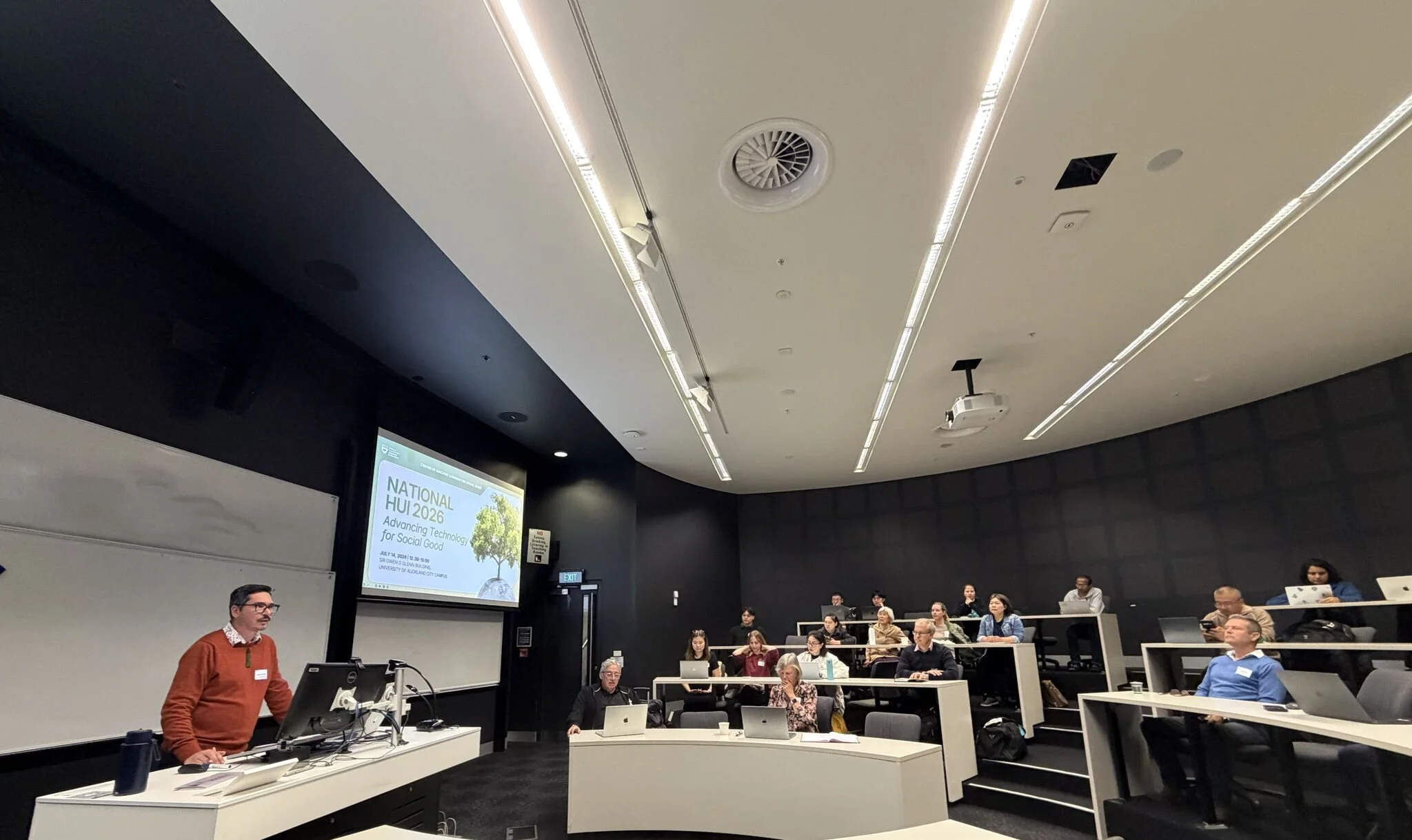
Dr. Daniel Wilson, Co-Director of ML4SG (Machine Learning for Social Good)
For us at simpact AI, this conversation feels especially important.
AI holds enormous promise. It can reduce administrative burden, increase access to information, support better decision-making, and free up time for people and organisations to focus on the human work that matters most. As I shared during the panel, technology can help “bridge the digital equity gap” and act as “the extra tool to be able to accelerate and remove the administrative burden” so organisations can spend more time on the mission they are really trying to serve.
But the panel also surfaced an important truth: technology alone is not “social good.”
Professor Chris Cunningham offered one of the most important challenges of the discussion when he asked: “whose social good?” That question cuts to the heart of responsible innovation. If we are not clear about who technology is serving, whose values are shaping it, and who may be excluded by its design, then AI risks reinforcing the very inequities it claims to address.
As Chris also reminded us, “technology is more of an ingredient than a catalyst.” In other words, it is not neutral. It helps shape the outcomes it produces.
Other panelists reinforced the importance of staying grounded in people and practice. Aimee van der Reis reflected that “the social part of it we must not forget,” especially when technology is being used in ways that depend on public participation, community trust, and shared understanding.
Neelesh Rampal brought a practical lens to the conversation, highlighting the importance of usefulness over novelty. Rather than building first and hoping it helps later, he spoke about asking a much more grounded question: “is there actually a need for me solving this problem?”
One of the strongest threads from the panel was the reminder that social good work is deeply relational. In the community and philanthropic sectors, impact is not just measured in outputs or efficiency gains. It is also found in connection, care, trust, dignity, and the ability to respond to complexity with context.
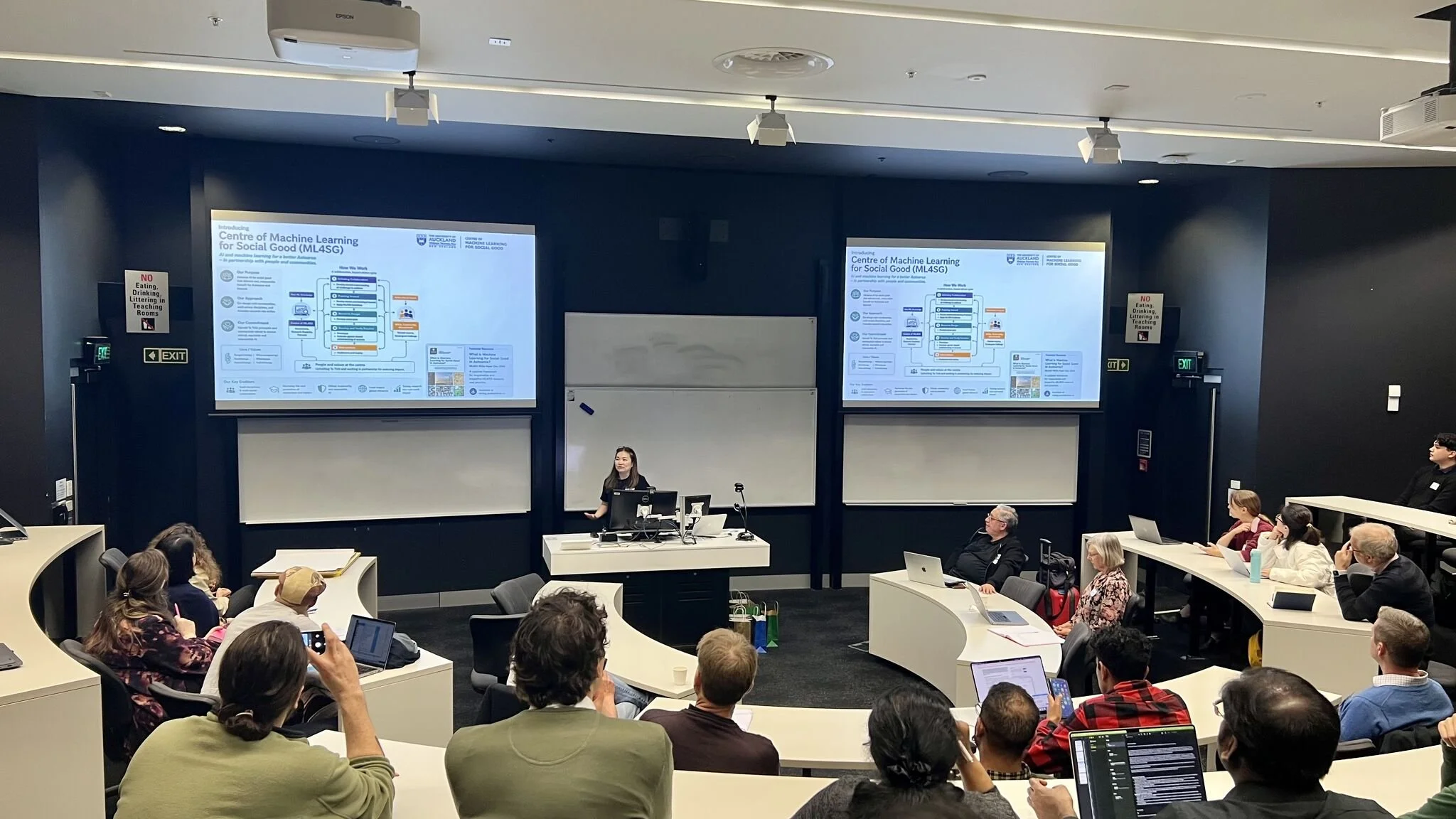
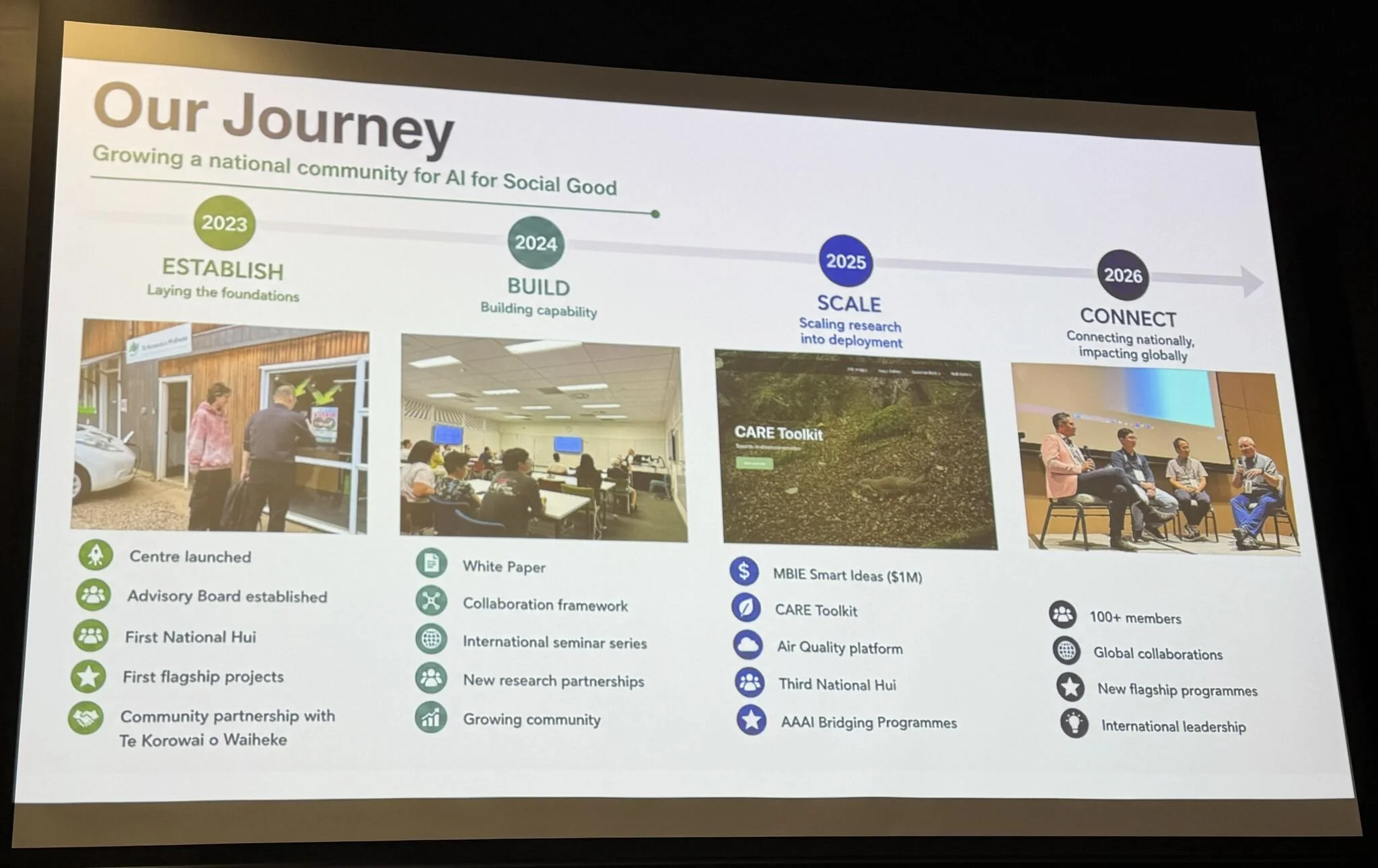
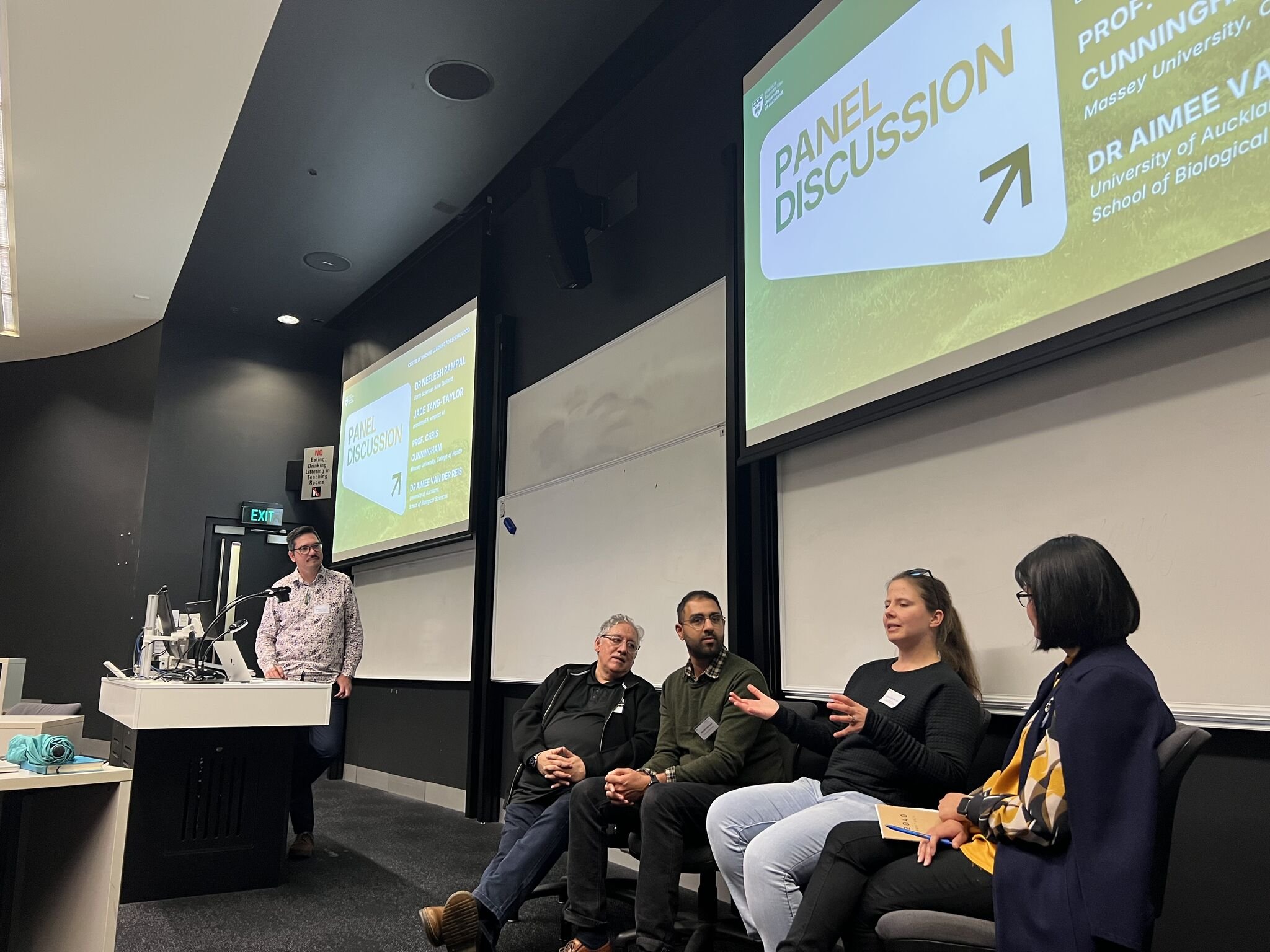
At simpact AI, we are interested in how AI can support better impact reporting, stronger storytelling, and more thoughtful decision-making for community and philanthropic organisations. But I believe strongly that the future of AI for social good cannot just be about faster systems or larger models. It has to be about more human-centred design, more community-led, and more care in how we define value.
For me, AI for social good starts with people.
It starts with listening.
It starts with trust.
It starts with asking better questions.
And perhaps most importantly, it starts with remembering that technology should strengthen human connection, not replace it.
I’m grateful to the ML4SG organisers for convening such an important panel discussion, and to the many social good changemakers, researchers, and practitioners in the room. These are exactly the kinds of spaces we need if we want to shape technology in ways that are equitable, grounded, and genuinely useful.
If we keep asking “whose social good?” I believe we have a much better chance of building the kind of future that is worthy of the communities we’re hoping to serve.
Thank You, Xie Xie (谢谢) & Ngā mihi nui,
Jade Tang-Taylor