Reflections on sharing a ‘AI for Impact’ keynote talk at IoD Governing AI Forum 2026
By Jade Tang-Taylor (Co-Founder & CEO, simpact AI)
I felt incredibly humbled to be invited to share a keynote on AI for Impact: How NFP directors are using AI alongside such amazing speakers and in front of the esteemed Institute of Directors (IoD) community.
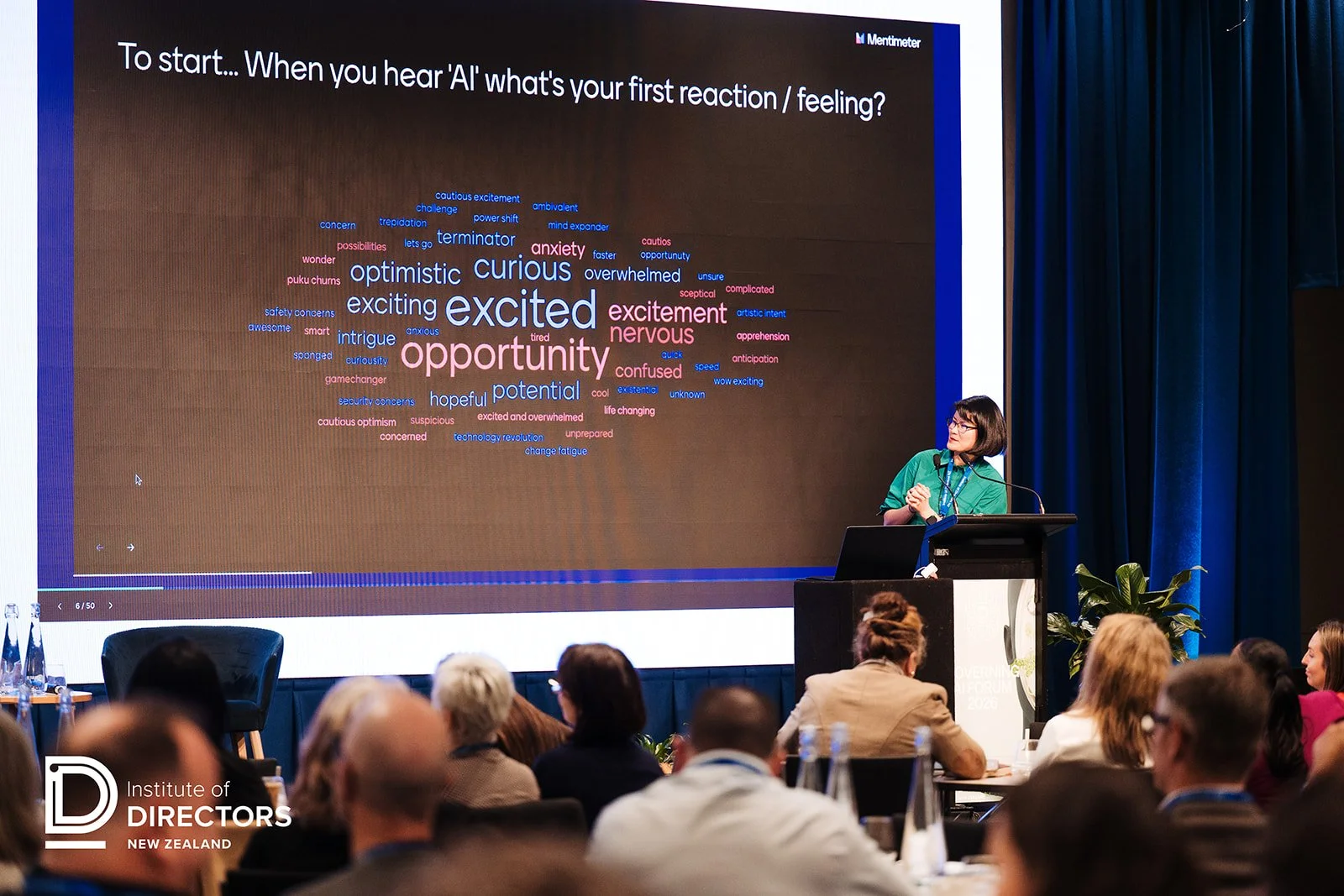
Menti-meter of 100+ responses “When you hear AI what’s your first reaction?”
It was one of those sessions where I was very aware that I was not standing there as “the AI expert in the room,” but rather as someone on a learning journey, one shaped by working across technology, design, community, social impact, and governance. That felt important to acknowledge. In a space that can so often be dominated by hype, certainty, or technical jargon, I wanted to bring something grounded, practical, and hopefully useful for directors working in and alongside not-for-profit organisations.
What I kept coming back to in preparing for the talk was this: AI governance is not just a technical issue, it is a mission alignment issue.
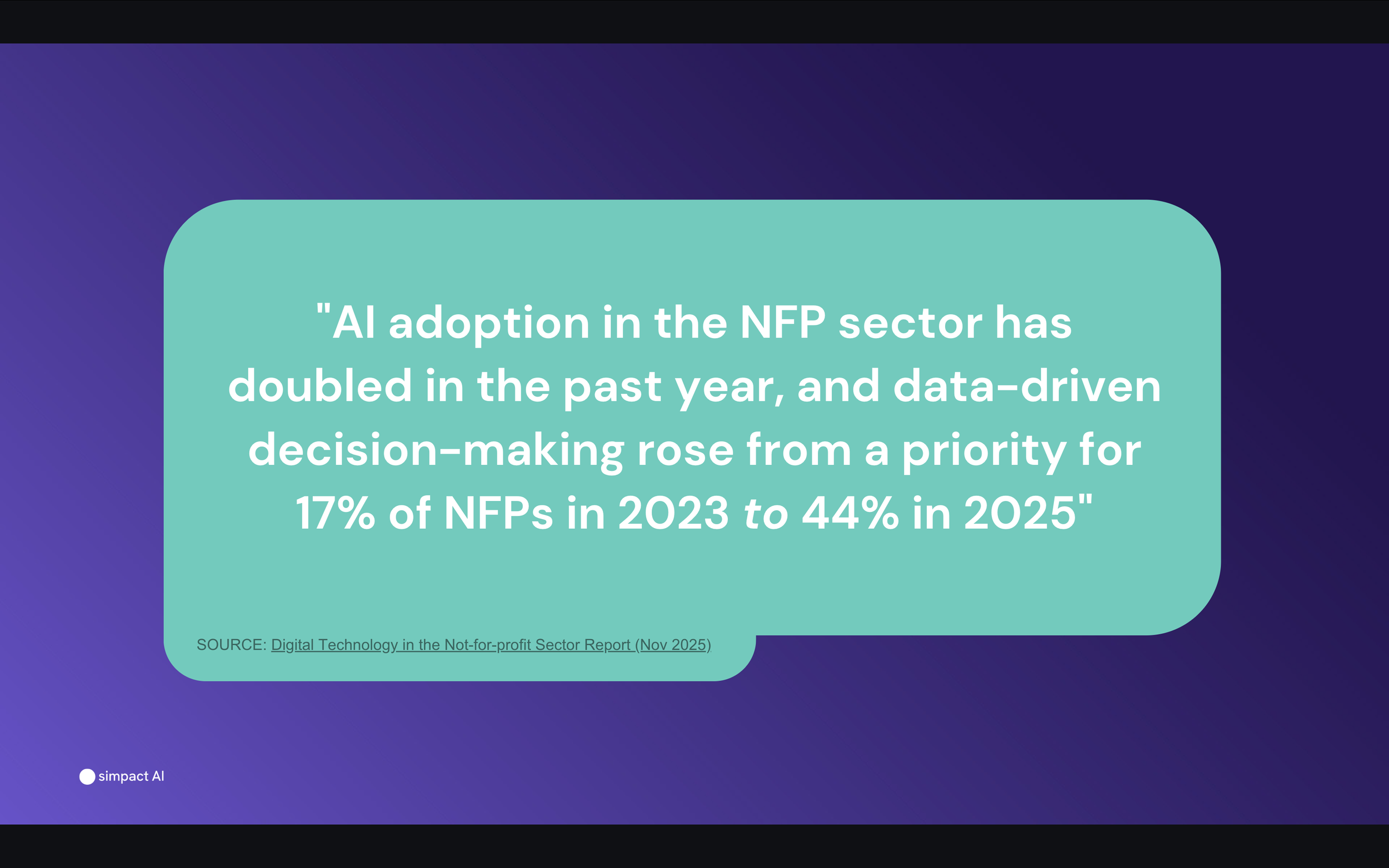
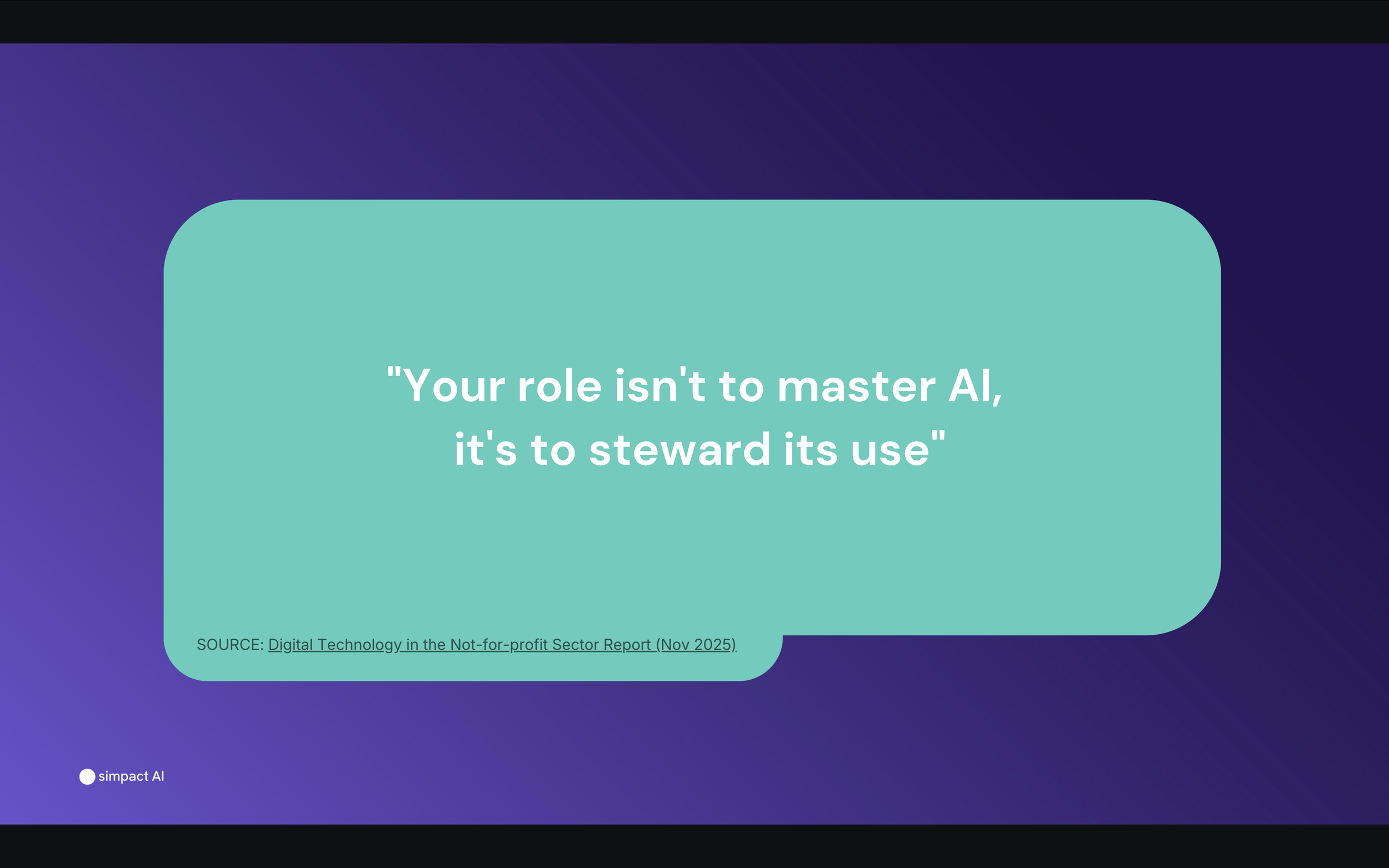
For not-for-profits, trust is everything. Community trust. Public trust. Donor trust. Many NFPs are already operating with lean budgets, volunteer boards, and limited technology capacity, so the idea that they should somehow “catch up” with AI can feel overwhelming.
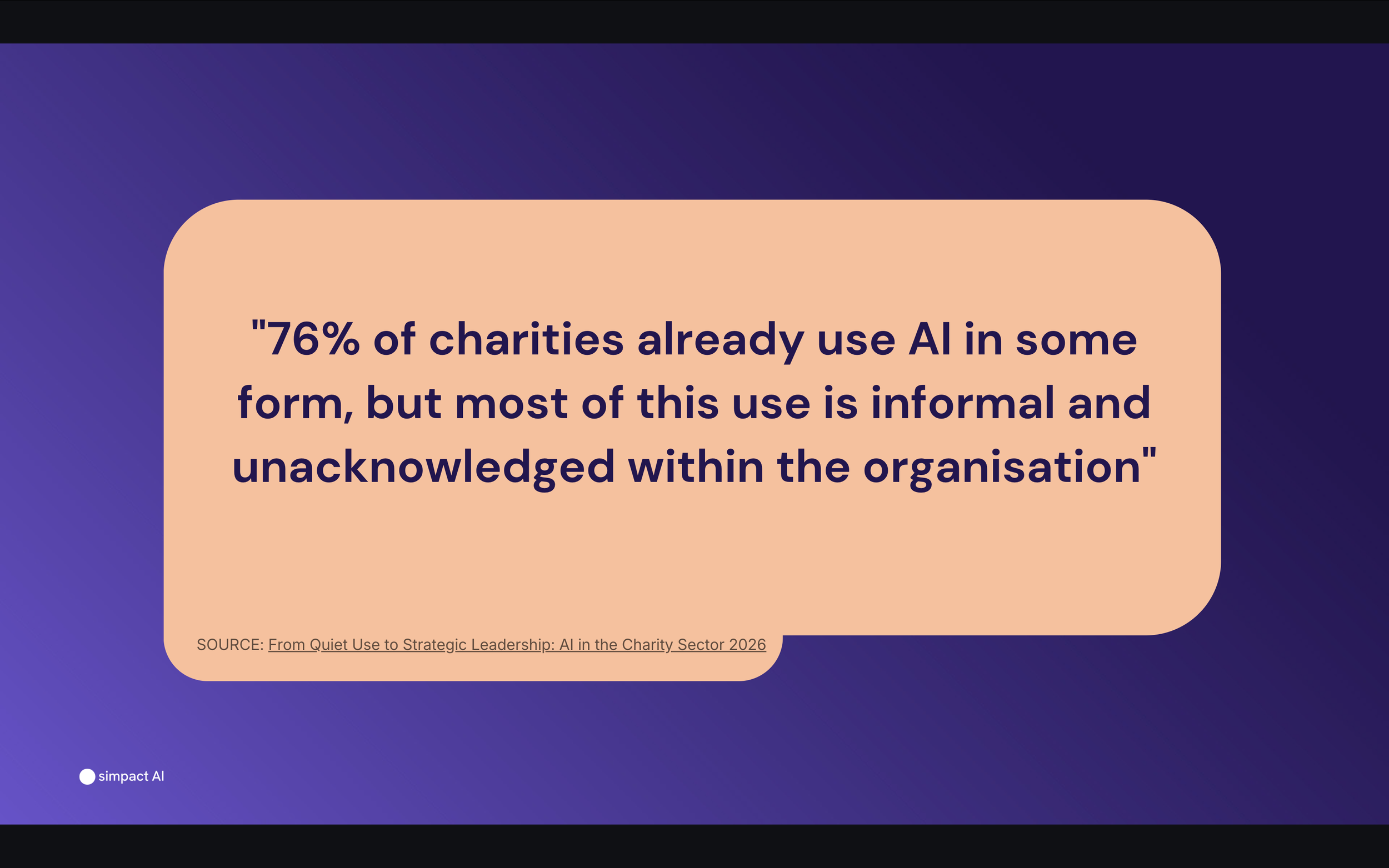
And yet, AI is already here. In many cases, it is already being used informally inside organisations, whether boards know it or not. I shared research in the session showing that 76% of charities are already using AI in some form, while only 3% of trustees report AI use in their organisations. That gap really surprised me, because it points to a governance challenge that is less about the future and more about the present.
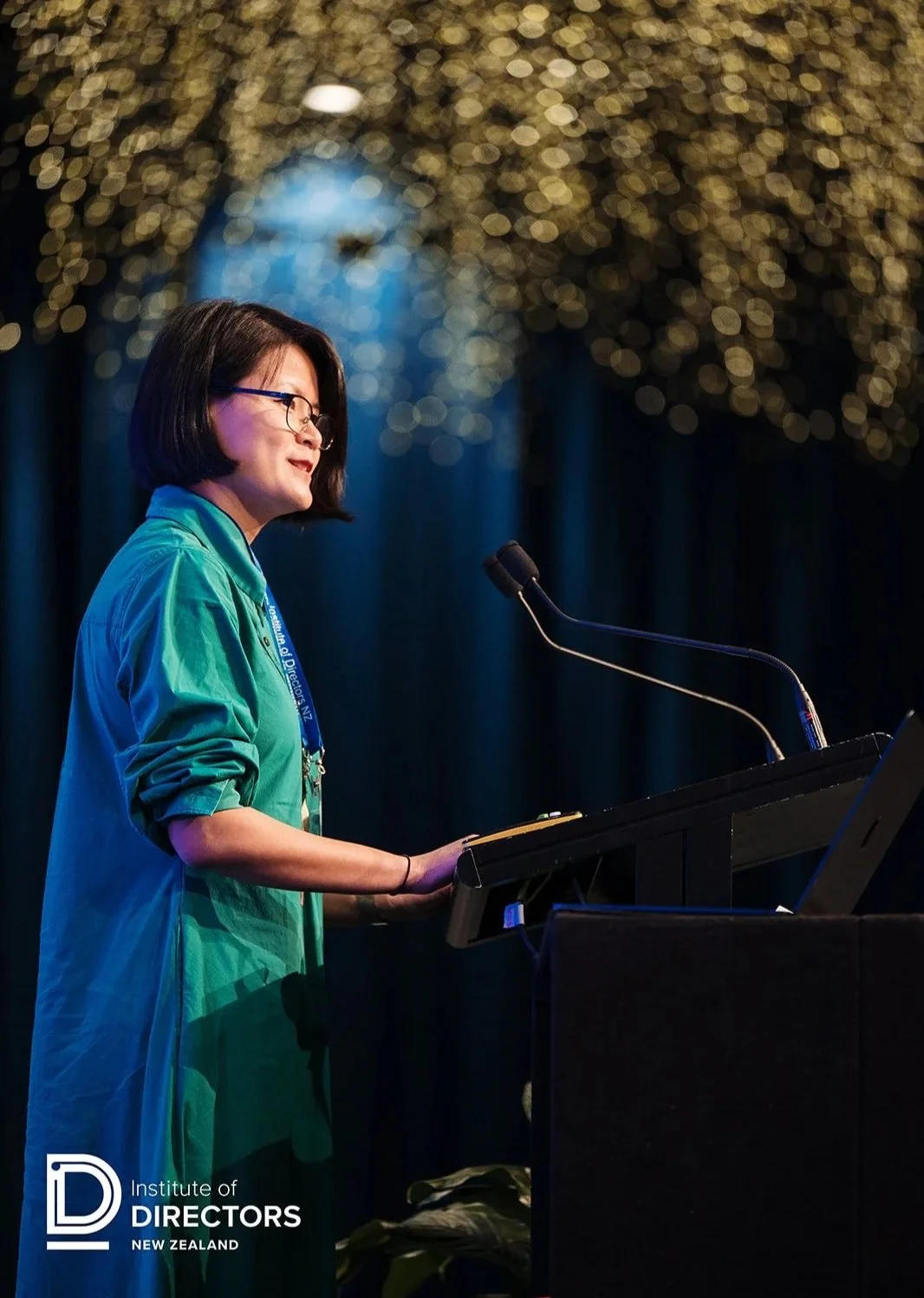
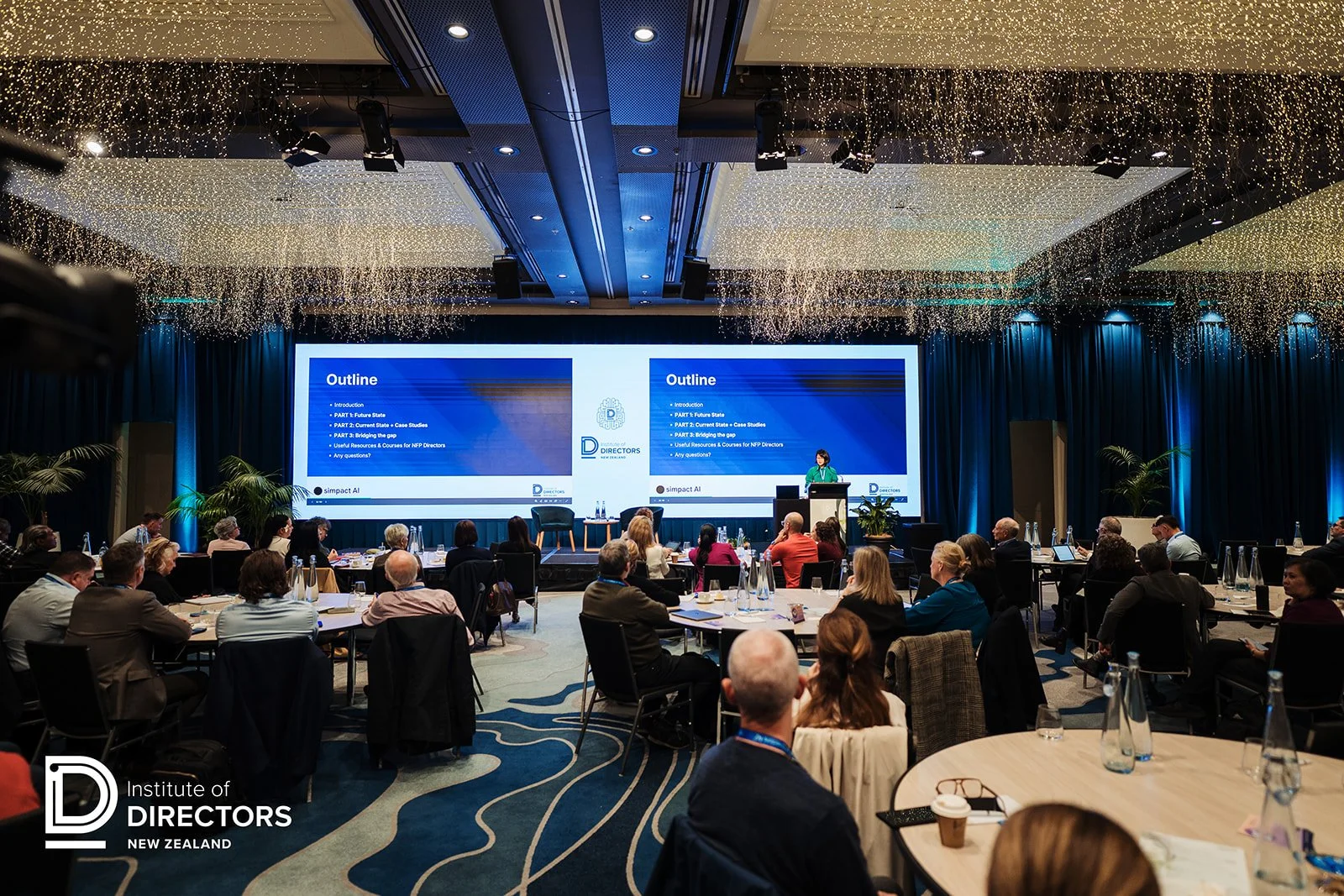
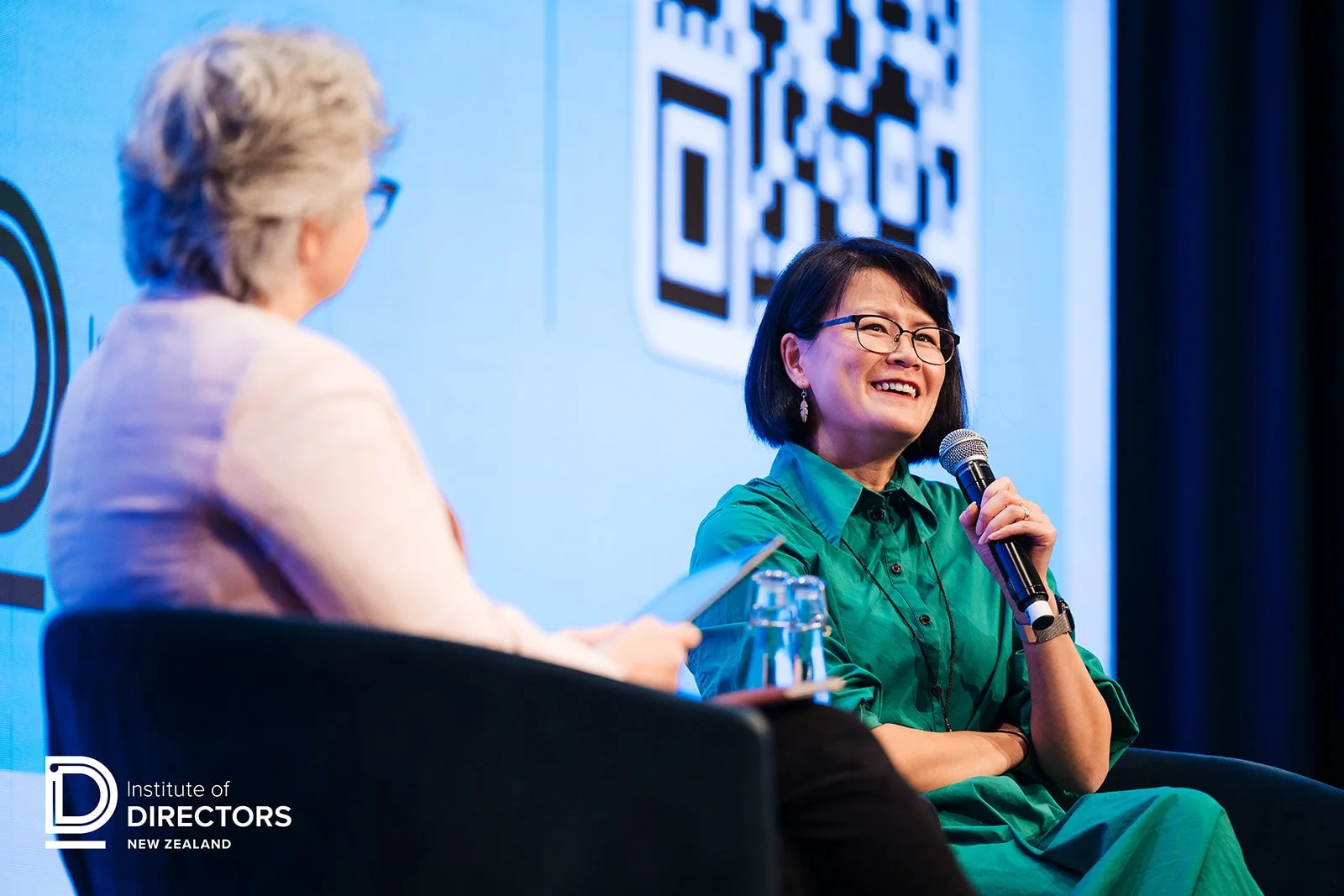
Jade Tang-Taylor (me) sharing with the IoD audience
Essentially, Boards cannot govern what they cannot see.
That was one of the core messages I hoped to leave with people. Not as a scare tactic, but as an invitation to bring AI out of the shadows and into conscious, values-led discussion. The current state for many organisations is what I described as “shadow AI” — quiet experimentation, informal use, and often very little visibility or accountability.
At the same time, I didn’t want the session to focus only on risk. Yes, of course there are real governance risks: privacy, cyber security, reputational harm, regulatory issues, and internal controls. But there is also a huge opportunity here, especially for smaller organisations that have historically had to do more with less. AI has the potential to free up human energy from repetitive, admin-heavy tasks, so people can spend more time where they are most needed: in relationship-building, complex decision making, human judgment, care, creativity, and community.
That tension between opportunity and responsibility seemed to run through the whole day, not just my keynote. Hearing other speakers and listening to the discussions in the room, I was reminded again that this is not just a not-for-profit issue. The questions directors are asking, about trust, oversight, capability, bias, accountability, and pace, these are showing up across multiple sectors.
What felt distinctive in the NFP context, though, was the importance of asking who might be left out or harmed if we get this wrong. I spoke about the fact that many of the communities not-for-profit organisations serve; including Māori, Pasifika, Rainbow, Disability, and Ethnically Diverse communities, are also those most likely to be disadvantaged by AI systems trained on mainstream or majority-group data. That makes AI governance about more than compliance, it makes it a question of equity, stewardship, and integrity.
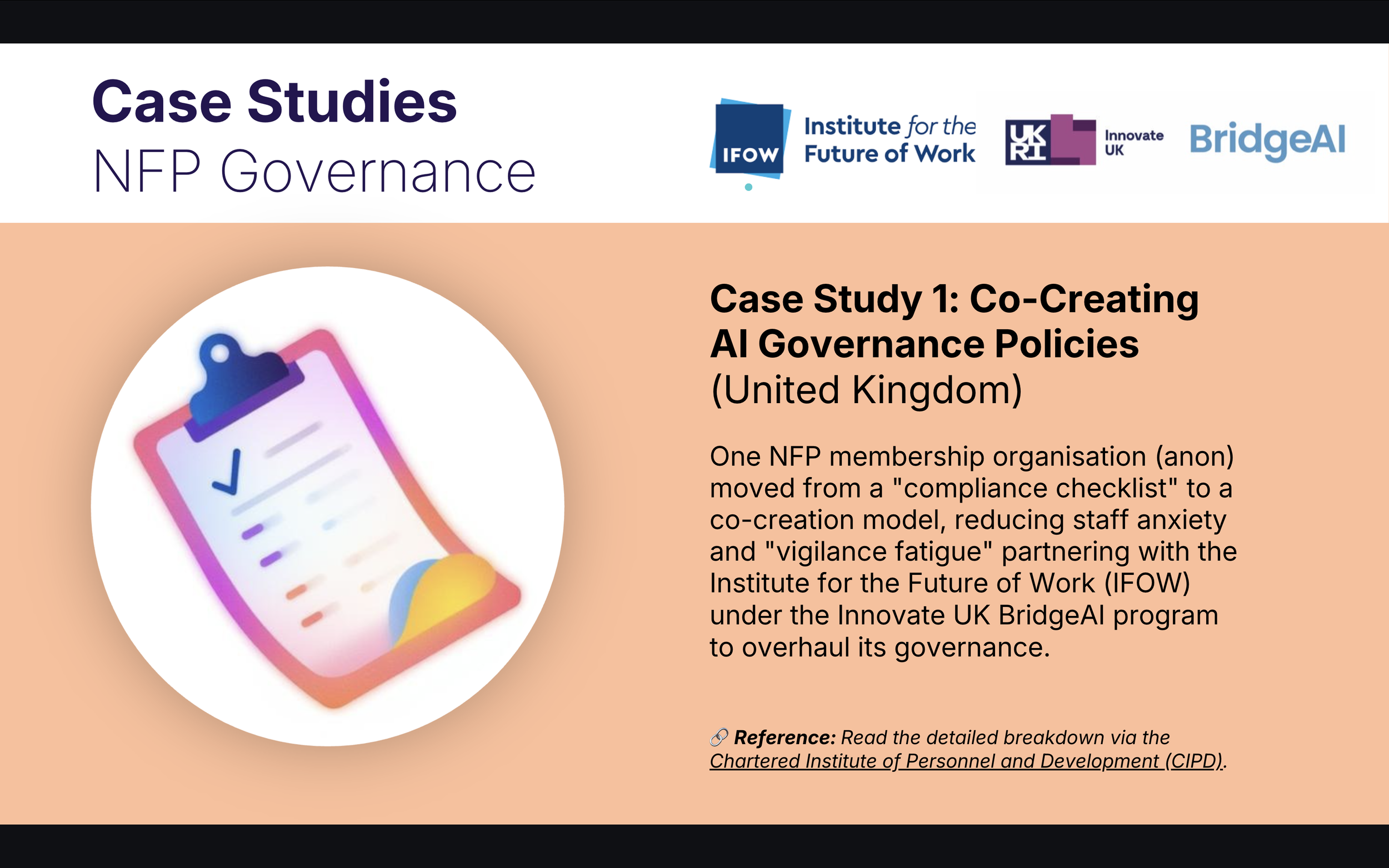
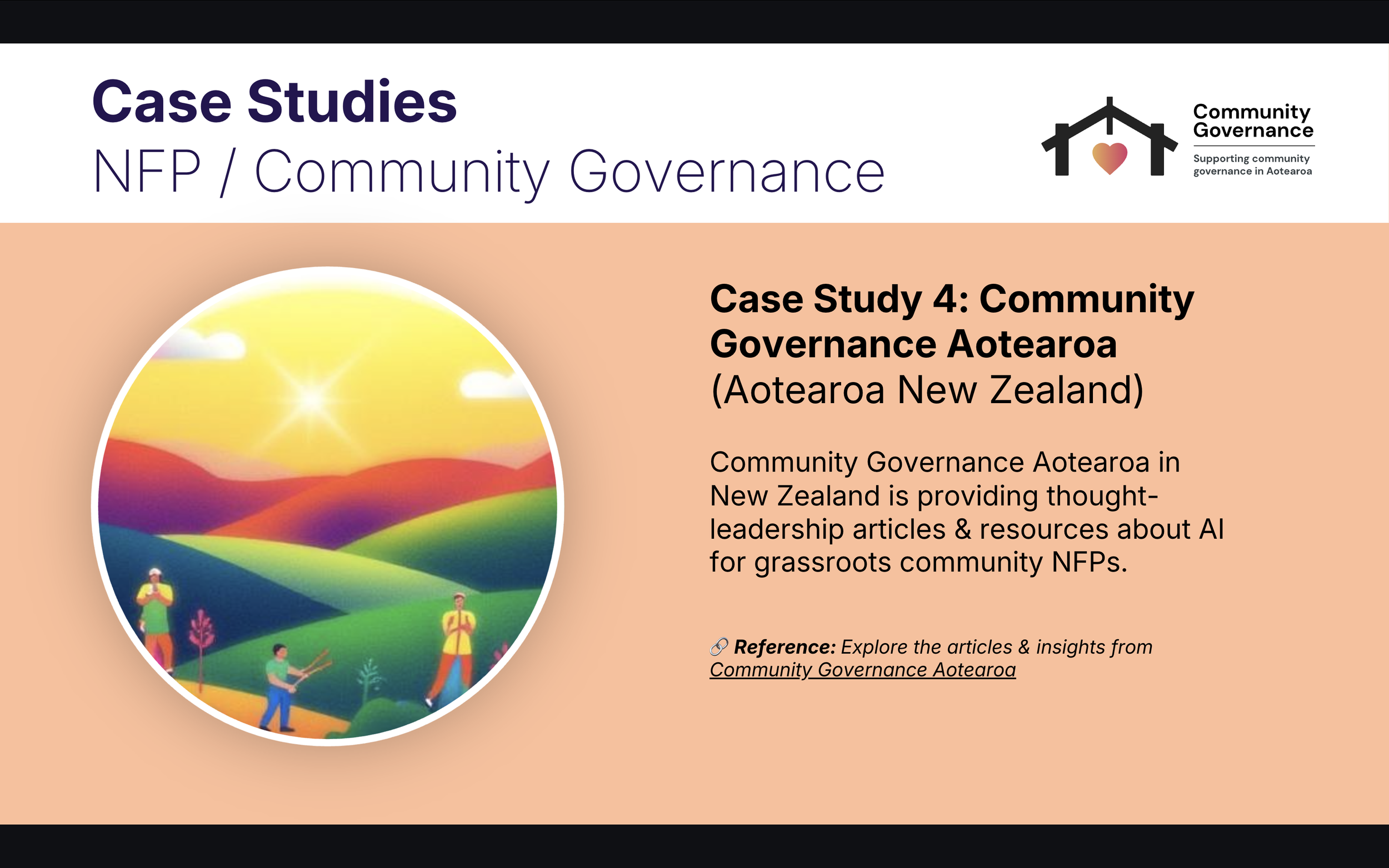
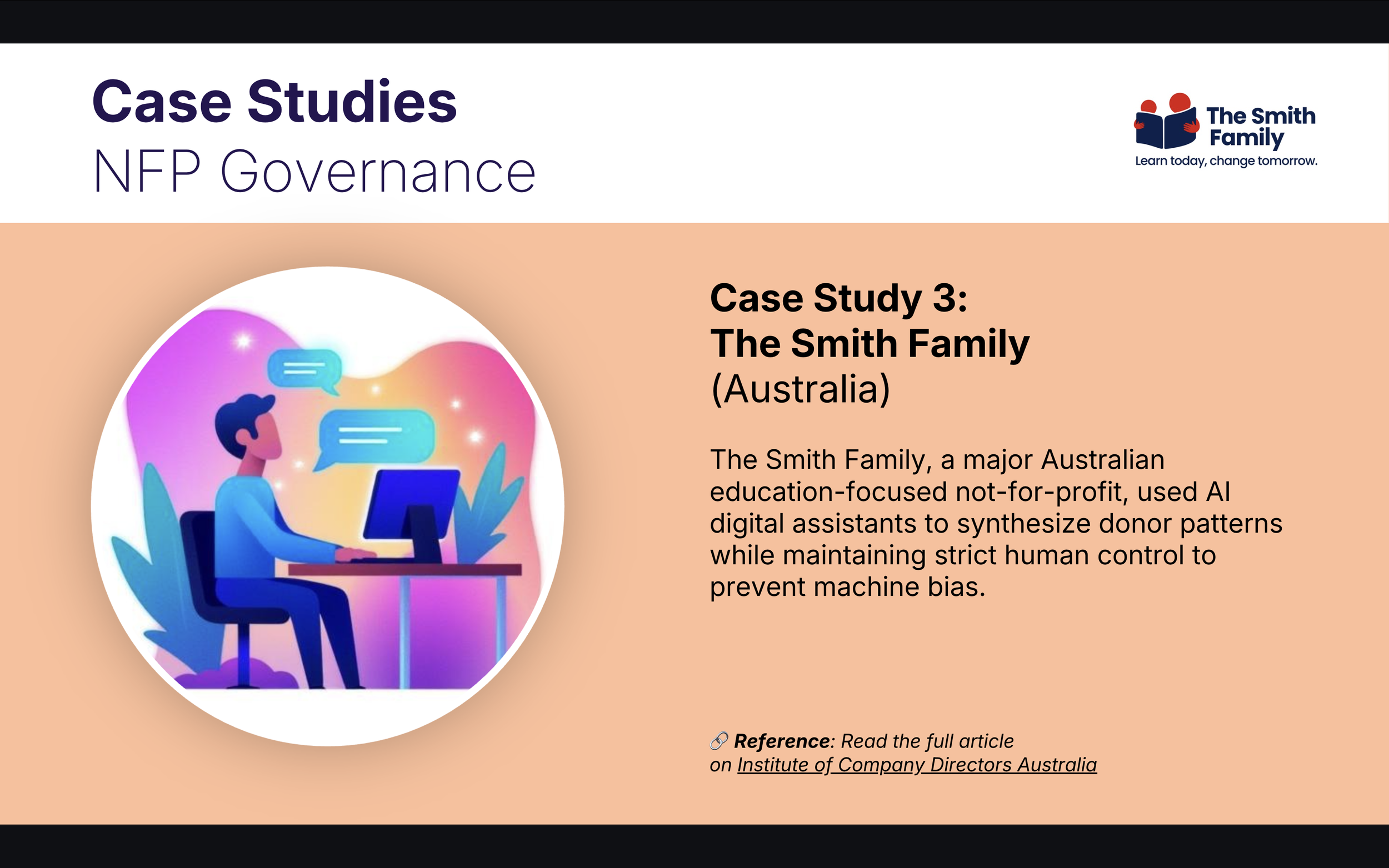
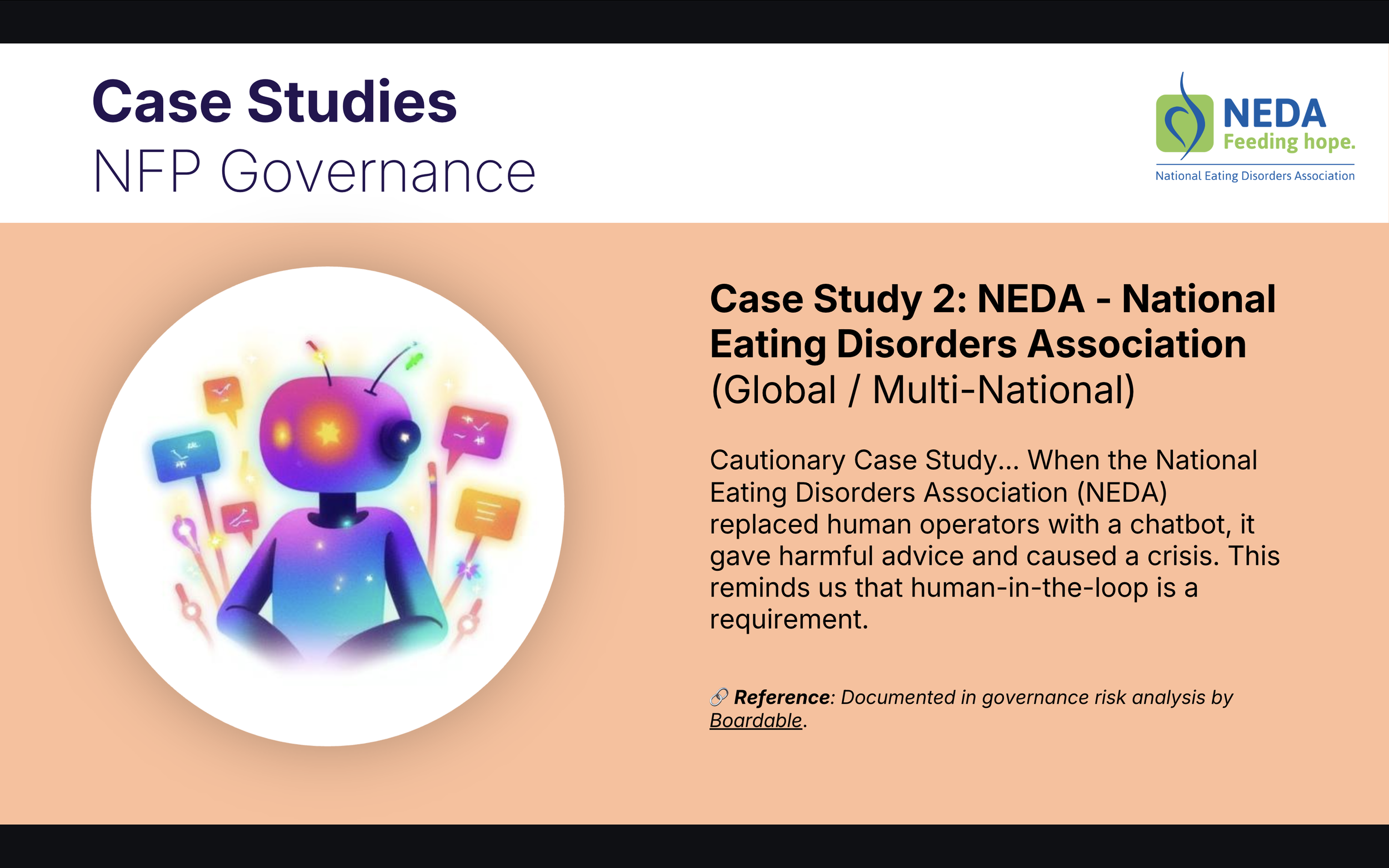
Another idea that resonated strongly for me was human-in-the-loop. I kept returning to the belief that while AI can support, augment, and synthesise, it should not replace human judgment where care, ethics, and accountability are involved. The case studies I shared reinforced that clearly. The cautionary example of NEDA’s chatbot failure showed what can happen when AI is deployed in a vulnerable context without sufficient human oversight, while the more positive examples demonstrated the value of using AI as an assistant rather than an autonomous decision-maker.
One of the unexpected moments from the session was hearing how the phrase 'vigilance fatigue' was resonating with people.. I think many of us are feeling that already, the constant need to check, verify, review, and maintain a critical eye when using AI tools. For not-for-profit directors, many of whom are unpaid and already time-poor, that additional mental load matters.
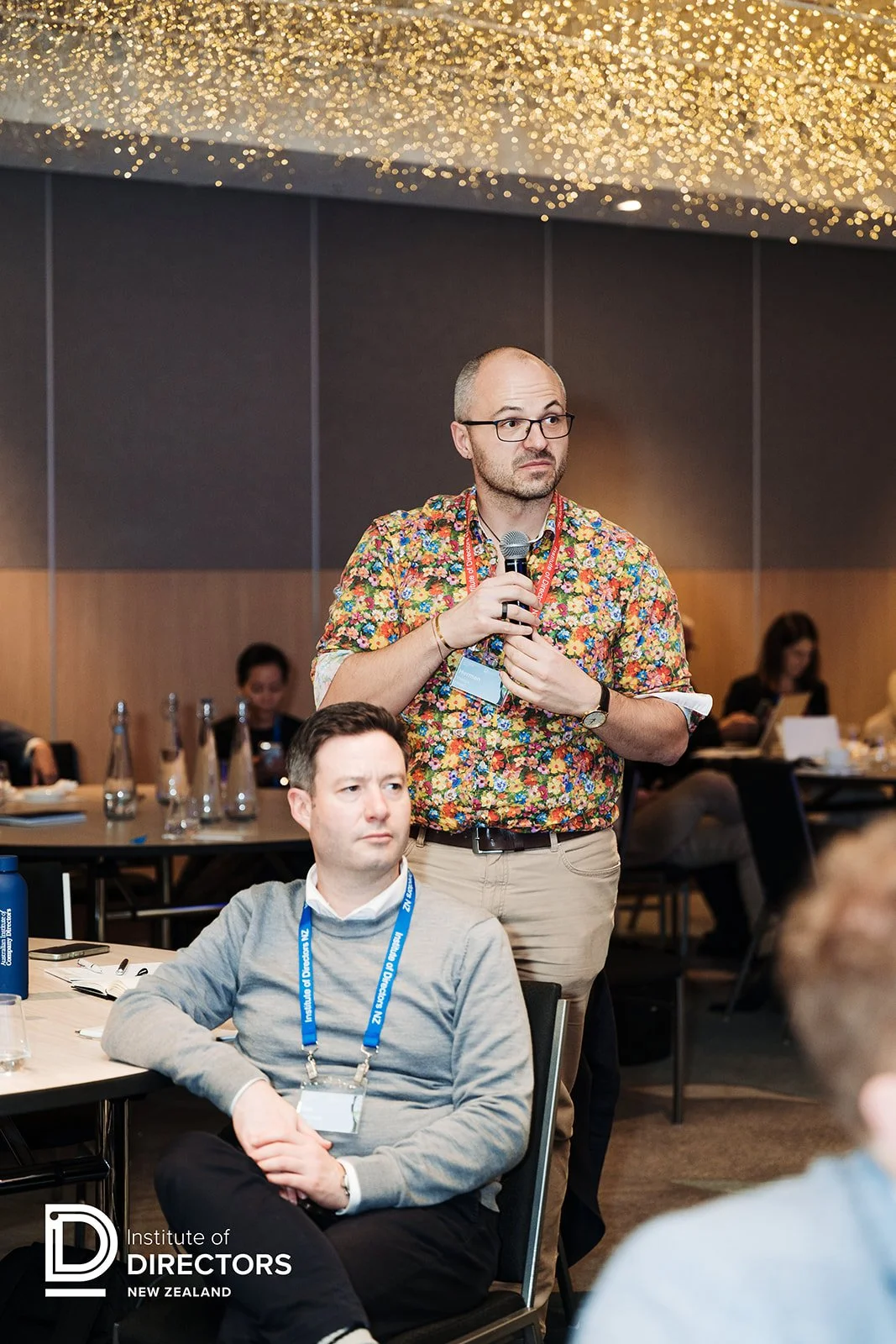
Table discussion share back:
Herman Visage
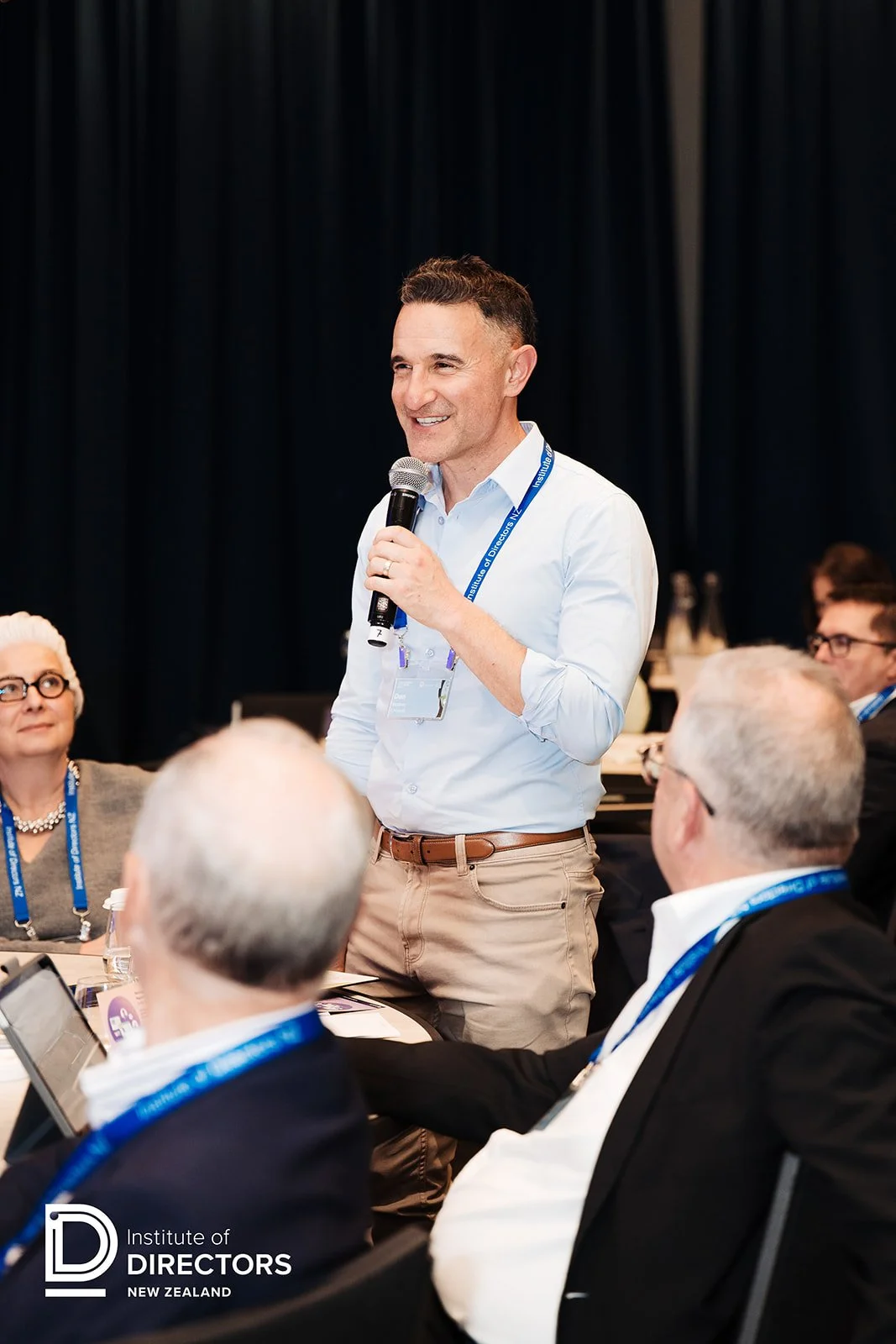
Table discussion share back: Dan Te Whenua Walker
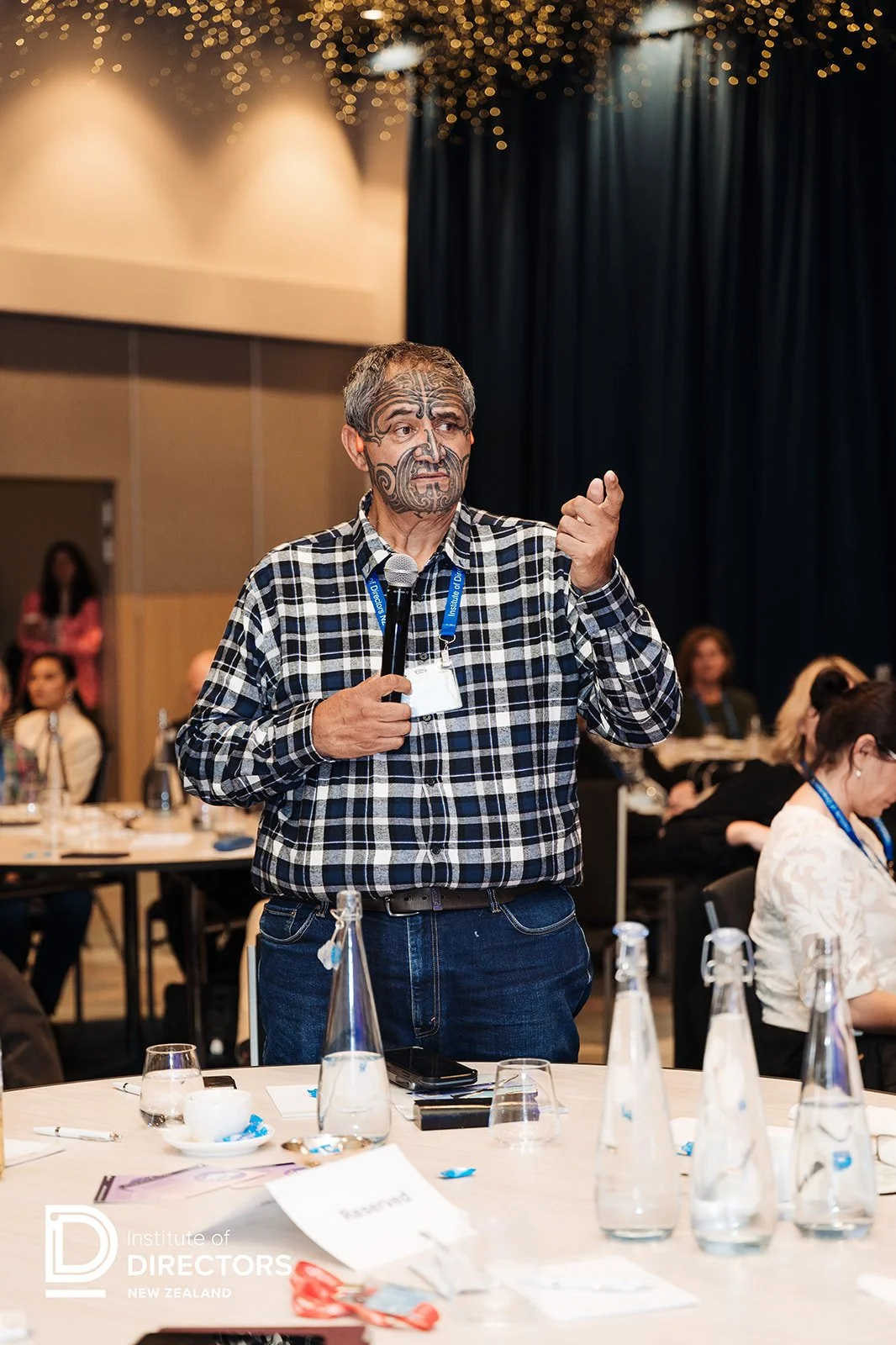
Table discussion share back: E Te Rangatira
There were also some wonderful reflections shared by the IoD audience. Some spoke about organisations still shying away from AI because the reputational risk feels too high. Others shared practical examples of how they are already experimenting, using AI to prepare crisis scenarios, scan the market, support funding decisions, or prompt better governance conversations. One member / rangatira in the room spoke powerfully about generational change on Māori trust boards, and the challenge of holding space between deeply respected elders and younger board members ready to try different approaches. Those contributions added so much richness to the session.
I left the session feeling encouraged, hopeful (& slightly less nervous).
Not because everyone had the answers, far from it. But because there was a willingness in the room to engage thoughtfully, to ask difficult questions, and to resist both blind enthusiasm and blanket fear. That definitely feels like the kind of leadership we need right now.
If I had to distill my reflection into one thought, it would be this:
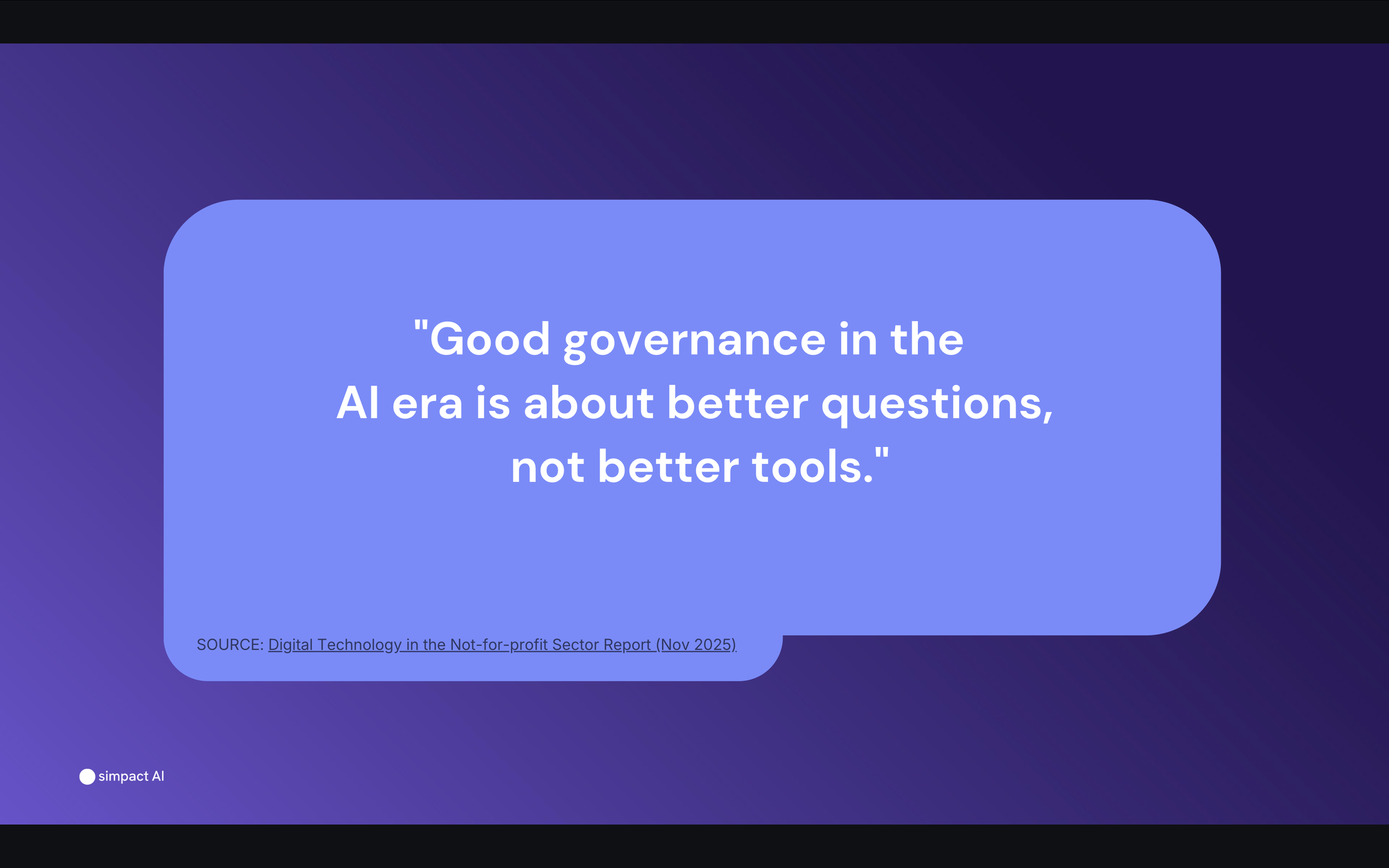
Good AI governance is about better questions, not better tools.
Directors do not need to master every new platform, model, or acronym. But they do need a minimum level of AI literacy. They need enough understanding to ask where AI is already being used, what data is flowing where, who remains accountable, and whether the use of these tools is genuinely serving the organisation’s purpose.
For me personally, sharing this keynote was also a reminder of why I care so deeply about this work, and how we’re intentionally building simpact AI (with a human-in-the-loop). Of course, I am interested in AI for good, but even more than that, I am interested in how we shape its use in ways that are human, inclusive, values-led, and grounded in real community contexts.
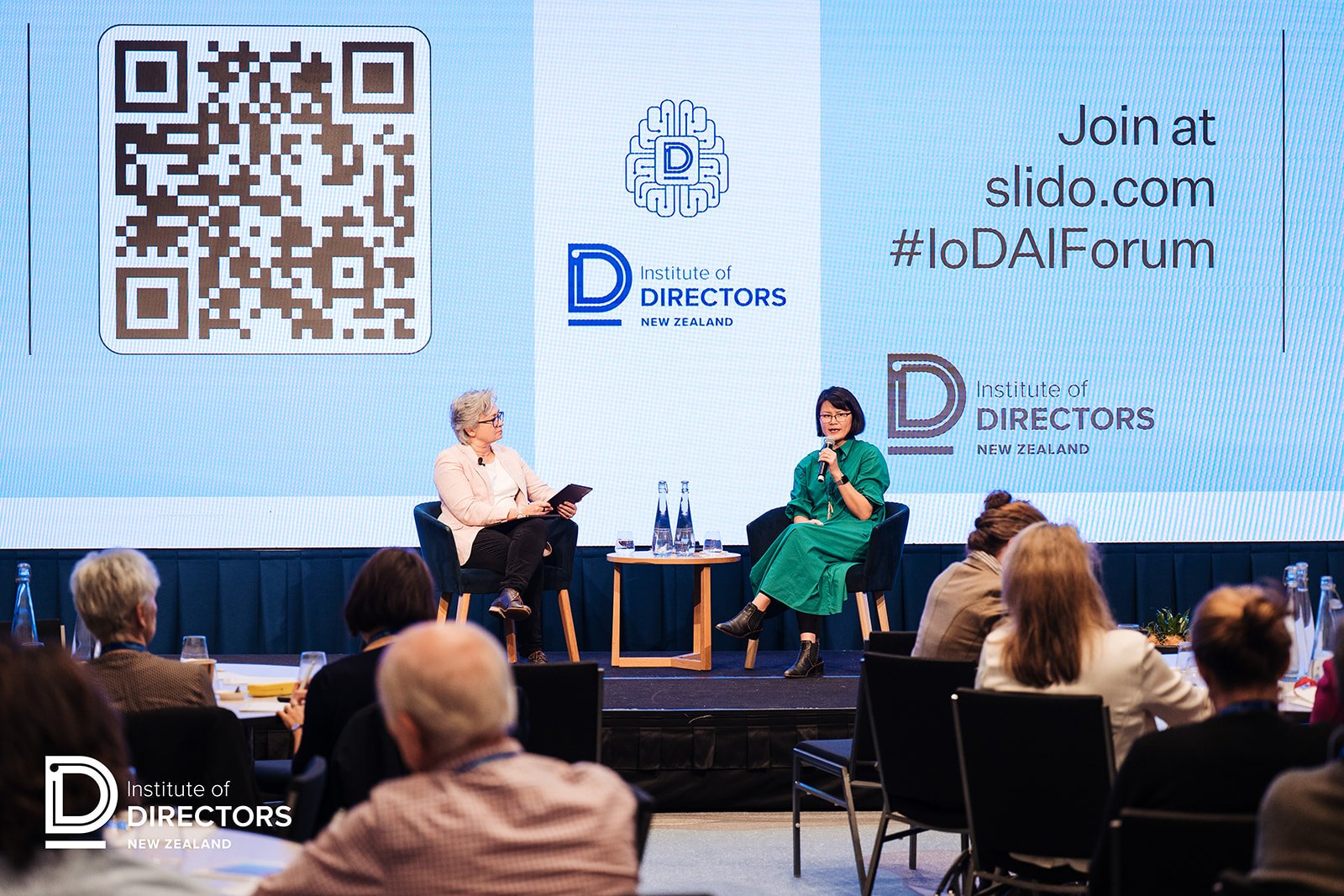
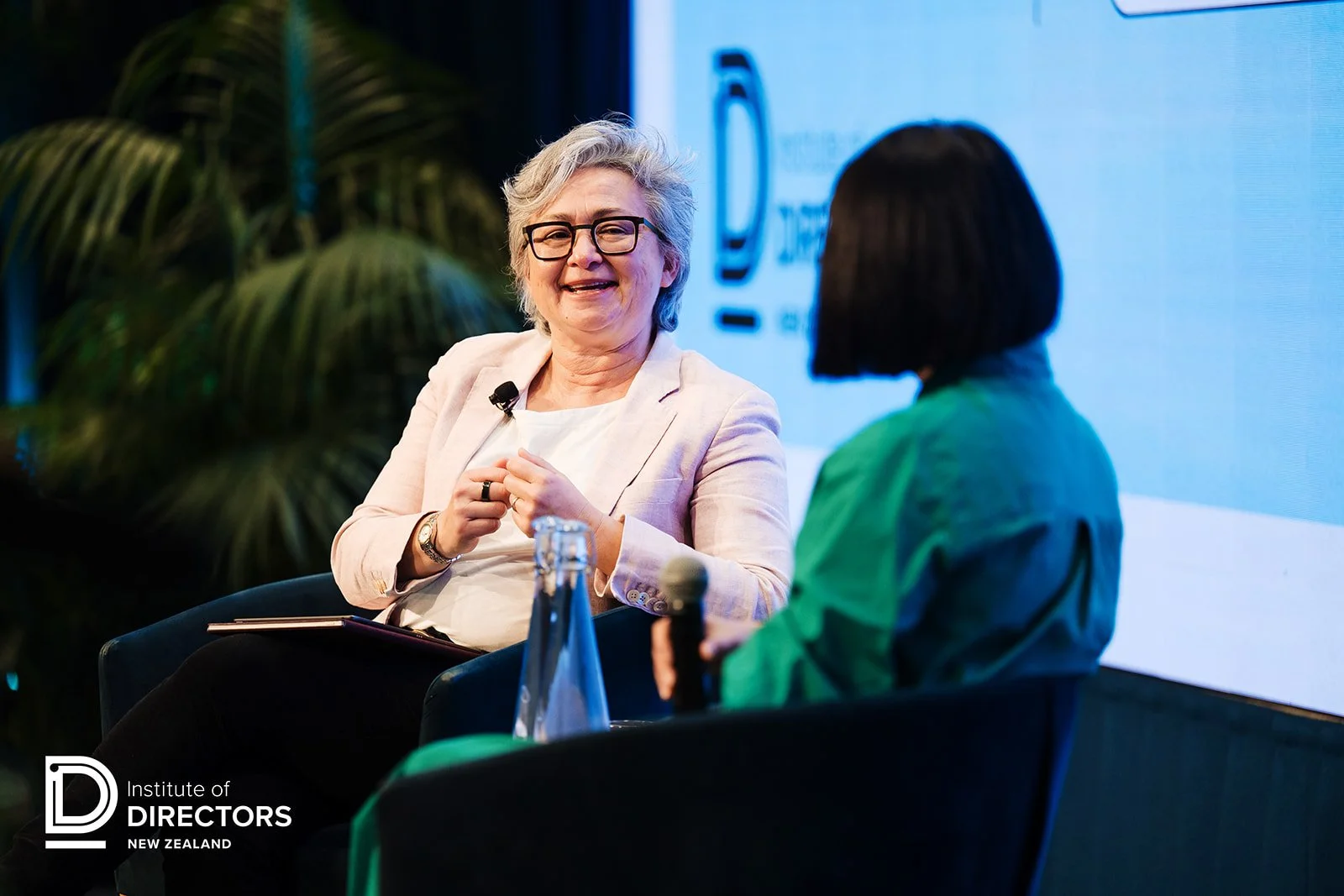
As Dr Mahsa McCauley share during her opening keynote talk on the day…
There is still so much to learn, unlearn and relearn.
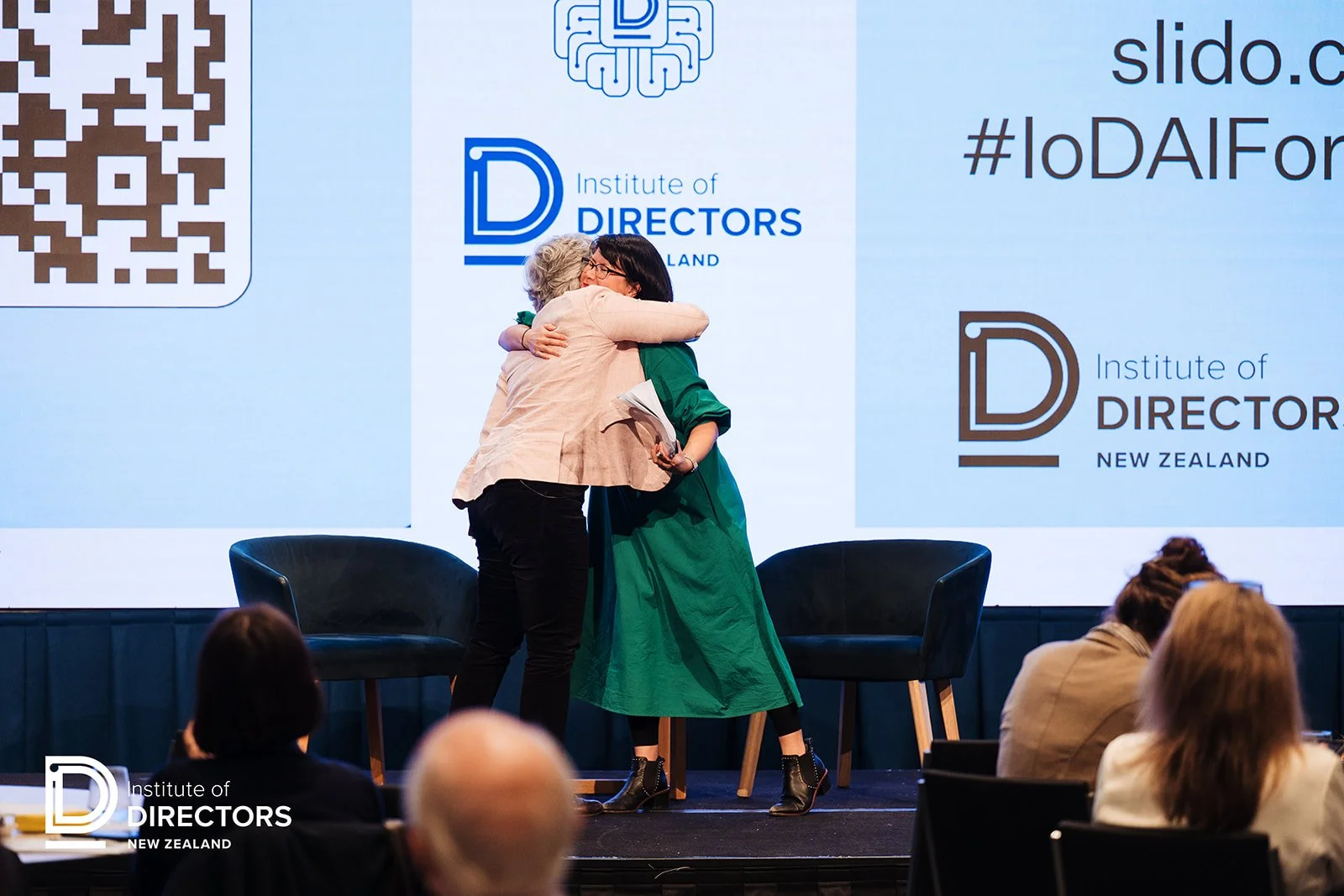
But I came away from the IoD Governing AI Forum 2026 feeling grateful… For the opportunity (Thanks Kim Gordon & Amy McNicol), for the conversation, for the generosity in the room, and for the chance to be part of a collective effort to govern this next transformational wave of technology with more care, courage, and curiosity.
Thank You, Xie Xie (谢谢) & Ngā mihi nui,
Jade Tang-Taylor
Useful links:
Link to full IoD: AI for Impact slidedeck »
Link to checklist for SMEs & NFP Directors »
Link to IoD checklist »